
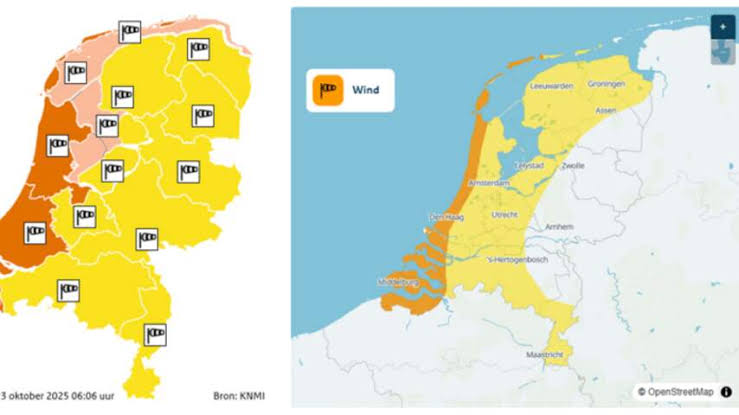
Royal Netherlands Meteorological Institute issues yellow warnings when increased risk exists from unsettled weather that may cause local disruption across Netherlands. Residents, organisations receive early notice that weather conditions could disrupt daily activities. Scientists base measure on computer calculations, live radar images continuously examined by experts at headquarters in De Bilt.
When probability of extreme rainfall, wind gusts or icy conditions reaches fifty per cent or higher within a region, warning comes into effect. Meteorologists communicate such alerts through official channels in advance, protecting public safety across roads, railways. Warnings reach public hours before weather conditions actually change in affected area.
What Does KNMI Code Yellow Mean? Weather Warning Criteria, Travel Disruptions, Safety Precautions
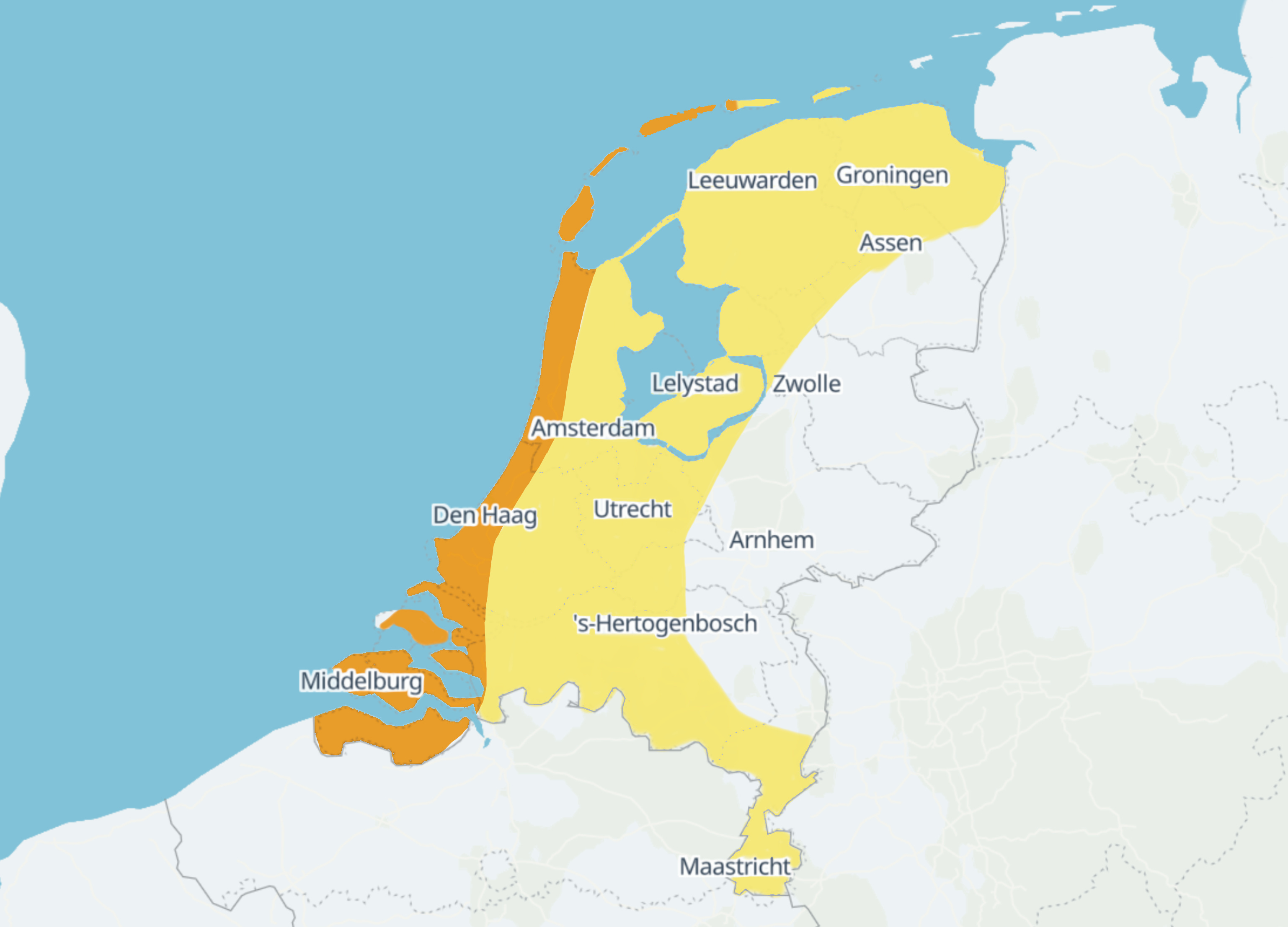
Rainfall exceeds fifty millimetres within twenty-four hours. Visibility on motorways drops below two hundred metres due to dense fog. Rijkswaterstaat deploys extra gritting lorries once temperatures fall below zero during morning rush hour.
Road users adjust driving behaviour, reducing speed along hazardous routes. NS adjusts timetables during extreme wind gusts, limiting rail delays. Traffic controllers advise passengers to check live travel updates before leaving home.
Working from home offers an alternative for office staff seeking to avoid dangerous roads. Outdoor sports enthusiasts postpone training until wind speeds decrease considerably. Strong winds sometimes cause roof damage when tiles fall.
Public transport faces cancellations due to fallen trees along railway lines. Airlines cancel flights departing from Schiphol during strong crosswinds. Government urges caution during stormy days nationwide.
Emergency services increase readiness, enabling rapid responses to reports.
Warnings reach public in good time. System protects public order.
Motorway visibility below two hundred metres.
Weather conditions improve once low-pressure system moves beyond border. Meteorologists withdraw warning once monitoring stations record stable readings. Code yellow signals danger when winds strengthen to storm-force levels across exposed areas.
Restrictions are eased. Danger passes. Weather alert reaches public promptly through national emergency broadcasting channels.
Review criteria for more severe weather warnings to understand how meteorological service escalates alerts when storms approach. Weather institute uses these systems to warn road users about changing conditions in good time. Since introduction of colour-coded warnings, Rijkswaterstaat, transport operators have responded proactively to meteorological threats.
Travellers adjust plans to avoid traffic congestion. Warning appears on screens alongside motorways. Motorists reduce speed during heavy showers.
Air traffic at Schiphol occasionally faces cancellations due to strong winds. Trains operate under adjusted timetables when railway tracks become flooded.
| Warning | Danger | Action |
|---|---|---|
| Yellow | Local risk | Remain alert |
| Orange | Major impact | Stay indoors |
| Red | Extreme weather conditions | Follow instructions |
- Check latest rain radar before departure.
- Allow extra travel time.
- Avoid exposed roads during strong wind gusts.
- Black ice can appear unexpectedly on bridges.
- Lightning strikes temporarily disrupt public transport.
- Falling tree branches block cycle paths.
Meteorological service continues monitoring situation closely. Local authorities activate gritting lorries once temperatures fall. Road users check weather apps before setting off.
Government advises working from home during peak storm hours. KNMI updates forecasts when new satellite data arrives. Meteorological autumn brings changeable weather every year.




Reacties 0
Nog geen reacties. Begin het gesprek.